
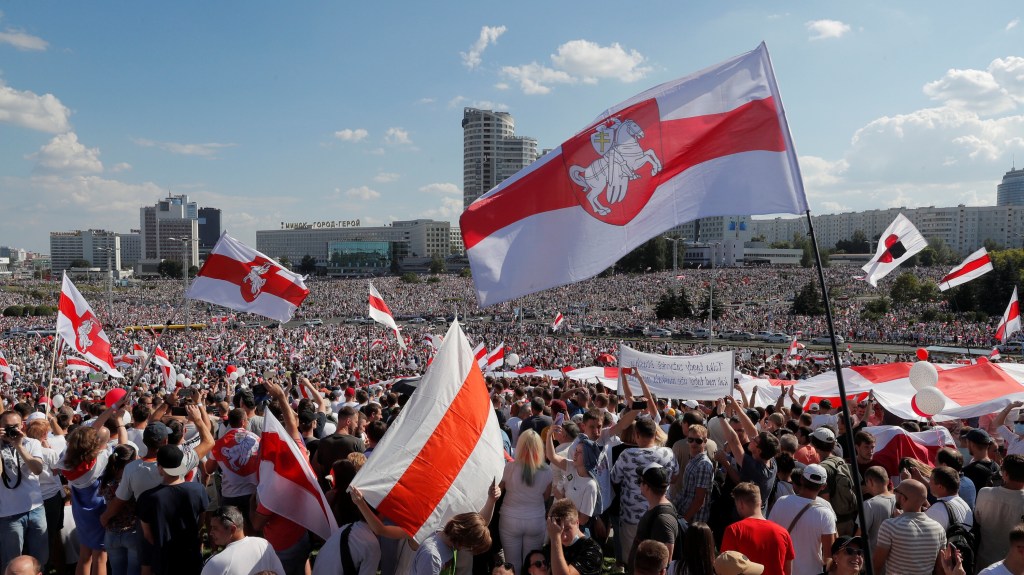
Mass protests are less a response to worsening conditions than to shifting expectations. People endure hardship if they see a path forward. It is when that path begins to close—just as it seemed most real—that mobilizations happen.
Authoritarian regimes survive not by brute force alone, but by carefully managing expectations. So long as people can imagine a better future—through elections, reforms, or generational change—they are often willing to endure extraordinary pain. The hope of a way out, however distant, helps people cope with the costs of inaction. It allows them to postpone revolt.
But that patience is not infinite. It is most fragile when the last remaining path forward begins to close. Not when things are worst, but when they almost got better. This is the paradox of political repression: when the possibility of change becomes too real, the regime moves to extinguish it. And that, more than any economic hardship or moral outrage, is when people flood the streets.
In Turkey, it was the politically motivated arrest of Ekrem İmamoğlu—widely popular opposition candidate for the presidency—that threatened to extinguish the last flicker of electoral hope. In Belarus, it was a fraudulent election that dashed hopes of peaceful political transition. In both cases, protests erupted not because democracy had vanished, but because a viable path to reclaim it—or to prevent its loss—was suddenly blocked. People were not responding only to injustice—they were reacting to the sense that the future they had been holding out for was being taken from them.
This insight reverses the typical logic of protest forecasting. We tend to look for dramatic suffering, economic collapse, or spectacular violations. But what often matters more is a subtler shift: when the realm of possibility suddenly contracts. When a respected leader is barred from running, when constitutional protections people counted on are taken away, or when an independent outlet that kept the opposition alive is shut down—what changes is not just the present, but the future people thought was within reach. It hits people where it hurts the most—in their expectations.
The politics of hope, then, is not the enemy of autocrats. It can be their potent tool—until they mismanage it. When regimes overplay their hand and try to seal off the very avenues they once allowed people to believe in, they convert patience into defiance. Not because people become braver, but because they feel robbed.
What keeps hope alive is not always a grand vision. Often, it’s something ordinary: a fair trial, a meaningful vote, a fighting chance. When even that is denied, people don’t just protest for change—they protest to grieve the future that slipped through their fingers.
And that is why protests happen when they happen. Not in the moment of injustice, but at the edge of possibility—when people glimpse the sun and are told to look away.
 Sinan Kircova
Leave a comment